
Window Condensation Solutions for NC Homes

A clear view can turn into a wet windowsill overnight during a North Carolina cold snap. Effective window condensation solutions start by identifying where the moisture is forming, because condensation on the room side of the glass has a very different cause - and remedy - than fog trapped between panes.
For homeowners, the goal is not simply to wipe away water. It is to protect window frames, surrounding trim, finishes, and indoor air quality while preserving the comfort and energy performance your home needs. A little temporary condensation can be normal. Persistent moisture deserves closer attention.
Why Windows Condense
Condensation occurs when warm, humid air meets a surface cold enough to bring that air below its dew point. The water vapor in the air changes to liquid, often appearing as beads of water on glass, dampness around a sash, or moisture collecting on the sill.
North Carolina homes can see this in winter when indoor heated air meets cold window glass. It can also happen during humid weather when air conditioning makes interior glass and frames cooler than the outdoor air. Bathrooms, kitchens, laundry rooms, and rooms with many people are frequent trouble spots because everyday living adds moisture to the air.
Older single-pane windows and poorly insulated frames are especially likely to condense because their interior surfaces get cold quickly. Even a newer window can develop condensation, however, if indoor humidity is too high or air cannot circulate freely around the glass.
Not All Condensation Means the Same Thing
The location of moisture tells you a great deal. Condensation on the interior glass usually points to high indoor humidity, a cold glass surface, or both. Condensation on the exterior glass is often harmless and can indicate that an efficient window is keeping indoor heat where it belongs.
Fog, streaks, or droplets between insulated glass panes are different. They usually indicate a failed seal in the insulated glass unit. Once that seal fails, the unit loses its insulating gas and allows moisture into the space between panes. Cleaning the inside surface will not solve this issue. The glass unit or, in some cases, the full window should be professionally evaluated.
Start With Indoor Humidity and Airflow
For interior condensation, controlling the moisture in the house is often the first and most cost-effective step. In cooler weather, many homes benefit from indoor relative humidity around 30% to 50%, though the right setting depends on outdoor temperature and the performance of the windows. When temperatures fall well below freezing, a lower setting may be necessary to prevent moisture from forming on glass.
Use bathroom exhaust fans during showers and for at least 15 to 20 minutes afterward. Run the range hood when cooking, particularly when boiling water or preparing large meals. A vented clothes dryer should discharge outdoors, not into a garage, crawlspace, or enclosed porch. If a whole-home humidifier is running, turn it down when windows begin to sweat.
Air movement matters as much as the humidity reading. Keep blinds and heavy drapes open for part of the day, especially near windows that show moisture. Closed coverings can trap a pocket of humid air against cool glass. Moving furniture a few inches away from exterior walls and keeping supply vents clear also helps conditioned air reach window areas.
A portable dehumidifier can be useful in a persistently damp room, but it should not be asked to solve a building problem alone. If moisture remains high throughout the home, investigate potential sources such as a crawlspace issue, plumbing leak, inadequate bath ventilation, or an HVAC system that is not removing moisture effectively.
Window Condensation Solutions That Protect Your Home
Wiping a wet sill is sensible, but it should be treated as immediate damage control rather than the full solution. Dry the glass, sill, and lower frame promptly so water does not sit against wood, drywall, or flooring. Check the window track and weep holes for debris, particularly on vinyl windows. These drainage paths need to remain clear to manage incidental water properly.
If condensation is limited to a bathroom or kitchen window, targeted ventilation may be all that is required. If it appears on many windows throughout the home each morning, the balance between indoor moisture and window surface temperature needs attention.
There are several practical improvements worth considering:
Improve source ventilation with properly sized, exterior-vented bath fans and a dependable kitchen exhaust hood.
Reduce excess indoor moisture by adjusting humidifiers, repairing leaks, and using dehumidification where conditions warrant it.
Restore airflow around windows by opening window treatments periodically and avoiding blocked registers.
Repair or replace failed insulated glass units when fogging is visible between panes.
Upgrade aging, inefficient windows when cold glass, drafts, deteriorating frames, or recurring condensation are affecting comfort and finishes.
Storm windows, insulating window coverings, and air-sealing improvements can reduce heat loss in certain homes. They can be useful transitional measures, especially when a full replacement project is not yet planned. Still, they cannot correct rotted frames, failed glass seals, poor installation, or a window system that no longer performs reliably.
When Replacement Windows Are the Better Answer
Replacement is not necessary for every condensation concern. A well-maintained double-pane window may simply need better humidity control in the home. But when condensation is paired with drafts, visible frame damage, peeling paint, water-stained trim, difficult operation, or haze between panes, replacement can offer a more durable answer.
High-performance vinyl replacement windows use insulated glass, tightly engineered frames, weatherstripping, and low-emissivity coatings to keep the interior glass warmer in winter and reduce unwanted solar heat gain in summer. In practical terms, that means a more comfortable room near the window and less opportunity for interior moisture to form under normal household conditions.
The quality of installation is just as important as the window itself. Even premium windows can underperform if openings are not measured accurately, flashing and insulation details are overlooked, or the product is not properly integrated with the existing wall. A custom-fit installation should account for the age of the home, the condition of the opening, exterior trim details, and how each room is used.
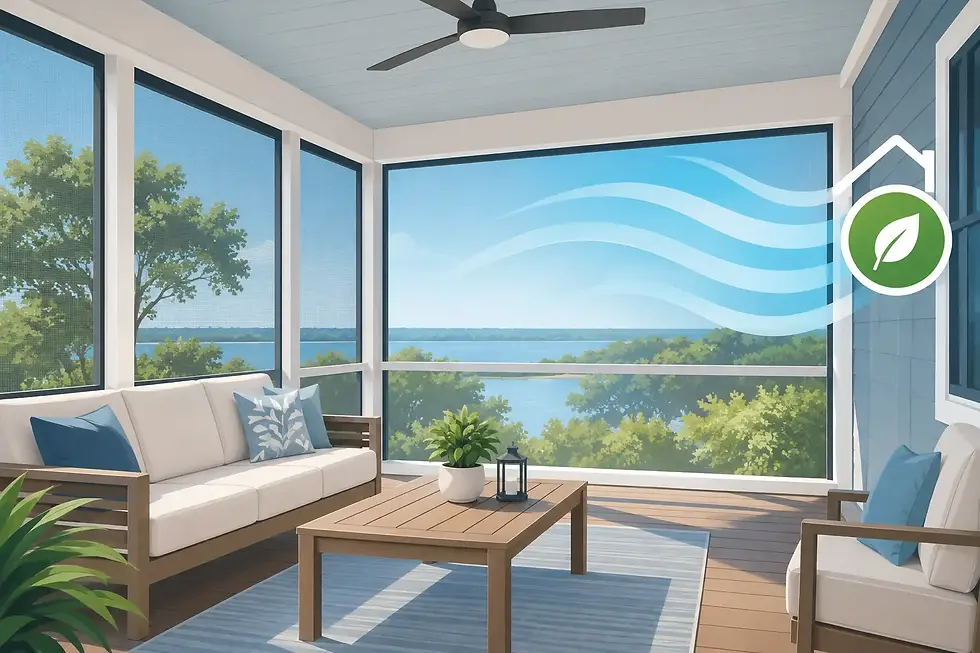
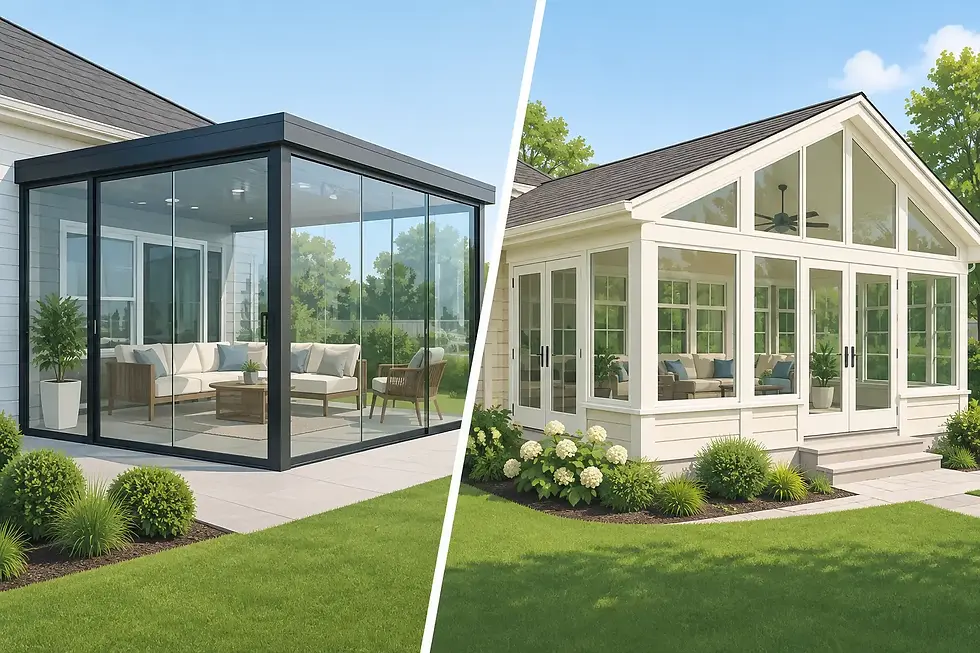
For a sunroom, glass enclosure, or porch conversion, window selection requires even more care. These spaces often receive stronger sun exposure and experience wider temperature swings than the main house. The right combination of glazing, ventilation, shading, and enclosure design can make the area far more comfortable while helping manage condensation risk.
Avoid Quick Fixes That Can Create Larger Problems
Do not seal every air path in a home without considering ventilation. Tighter construction improves energy efficiency, but a house still needs a controlled way to manage moisture. Covering weep holes, caulking operable drainage channels, or applying interior plastic film without addressing humidity can trap water where it does not belong.
Be cautious with claims that a single product will eliminate all window condensation. The right answer depends on the season, indoor humidity, window age, insulation levels, and whether the moisture is on the room side, exterior side, or between panes. A careful diagnosis prevents spending money on the wrong repair.
A Better Standard for Window Comfort
Persistent window condensation is your home giving you useful information. It may be asking for better ventilation, more balanced humidity, restored glass seals, or windows that better match the way your home is built and lived in.
For homeowners across central and eastern North Carolina, Kelly Outdoor Living approaches replacement window work with meticulous attention to detail, premium materials, and a custom-built fit for the home. The best result is not merely dry glass on a cold morning. It is a quieter, more comfortable space with windows designed to protect the finishes and views you enjoy every day.

Comments