
How to Shade a West-Facing Patio All Afternoon

Updated: 2 days ago
At 5:00 p.m., a west-facing patio can feel less like a place to gather and more like the hottest part of the property. The low afternoon sun pours in at an angle, heating the paving, glaring across outdoor furniture, and making dinner outside uncomfortable just when the day should be winding down. If you are researching how to shade a west-facing patio, the right solution is usually not a single overhead roof. It is a thoughtfully designed combination of overhead coverage, low-angle sun control, and ventilation.
For North Carolina homeowners in Raleigh, Fayetteville, and surrounding cities , this matters from spring through early fall. Our warm, humid climate makes trapped heat as much of a concern as direct sunlight. A well-designed shade structure should reduce glare and radiant heat while still allowing air to move through the space and preserving the character of your home.
Why West-Facing Patios Need a Different Approach
Morning and midday sun arrive from higher overhead. A patio cover, pergola, or umbrella can block much of that light. Western exposure is different because the sun drops lower in the sky as the afternoon progresses. Even a deep roof projection may leave the patio exposed from the side during the hours when you most want to use it.
The materials around the patio make the effect stronger. Concrete, pavers, brick, and stone absorb heat throughout the day, then release it after the sun begins to set. Large windows and light-colored siding can also create reflected glare. The result is a space that remains hot long after an overhead structure has provided nominal shade.
That is why the best west-facing patio designs consider the sun's path, the patio's orientation, the home’s architecture, and how you plan to use the area. A quiet coffee space needs something different from an outdoor kitchen or a large entertaining patio.
How to Shade a West-Facing Patio Effectively
Start by identifying exactly where the late-day sun enters the space. Stand or sit in the patio's most-used locations between 3:00 and 7:00 p.m. on a clear day. Notice whether the heat comes primarily from above, straight across the yard, or from an angle around one end of the patio. This simple observation often determines whether you need overhead shade, a vertical screen, or both.
Also consider seasonal change. The summer sun sits higher than the winter sun, while the late-day angle remains a defining concern on western exposures. A permanent structure should provide meaningful summer relief without making the adjacent rooms unnecessarily dark all year.
Add a Solid Patio Cover for Reliable Protection
A solid insulated patio cover is often the strongest choice when dependable shade is the priority. It blocks direct overhead sun, protects seating from passing rain, and creates an immediate extension of the home. Insulated roof panels are particularly valuable over a west-facing patio because they help limit heat radiating down from the roof surface.
A cover alone may not solve low-angle glare, but it provides the foundation for a more comfortable outdoor room. The roof depth, ceiling height, post placement, and roof tie-in should be custom-built to complement the home rather than treated as an afterthought. A structure that looks and performs like part of the house brings more long-term value than a lightweight add-on.
The trade-off is daylight. A fully solid roof will reduce the light reaching nearby windows and doors. This can be the right choice for a patio that gets intense direct sun, but homeowners who want more sky visibility may prefer a mixed design with skylight panels, a pergola section, or adjustable louvers.
Use a Pergola When Light and Airflow Matter Most
A pergola creates architectural definition while maintaining an open-air feel. It is a good fit when the patio needs filtered shade rather than complete protection, especially in spaces that already benefit from mature trees or partial afternoon shade.
For a western exposure, the details matter. Widely spaced horizontal slats provide attractive patterning but may not block enough late-day sunlight on their own. Tighter spacing, appropriately oriented rafters, or a fabric canopy can improve performance. Climbing plants may add natural shade over time, although they require pruning and do not provide immediate, predictable coverage.
A pergola is best viewed as a partial shade solution. If the patio is difficult to use from late afternoon through sunset, pair it with a side-mounted shade system or select a more adjustable structure.
Choose Motorized Louvers for Adjustable Light Control
Motorized louver systems offer a refined answer for patios that need flexibility. The louvers can open for daylight and airflow, rotate to reduce sun, and close for rain protection. That control is especially useful in North Carolina, where a bright afternoon can quickly turn into a summer shower.
For west-facing spaces, louvers should be planned around the actual direction of the sun rather than simply installed in a standard orientation. A custom design can help reduce overhead heat while preserving the option to open the roof when conditions are pleasant.
Keep in mind that louvers mainly manage sunlight from above. When the sun is low and shining beneath the roofline, vertical protection is still necessary. The most successful projects often combine a louvered roof with discreet side screens or a partial enclosure.
Stop Low Sun With Retractable Screens or Shade Panels
The western side of a patio is where retractable screens often make the greatest difference. Lowering a screen in the late afternoon can block glare, soften the heat, and create privacy without permanently closing off the yard. When the sun moves or the weather is mild, the screen can disappear from view.
High-quality screens can be selected for solar control, insect protection, privacy, or a balance of all three. The openness of the mesh affects the result. A tighter weave offers more shade and privacy but slightly reduces the view and airflow. A more open solar screen preserves visibility while still cutting a substantial amount of glare.
Fixed privacy panels, decorative slat walls, or carefully placed outdoor drapery can also work in select locations. These options suit patios with a predictable sun angle, but they should be engineered and installed to handle wind exposure. Fabric and lightweight components that perform well in calm conditions may not be durable enough for an exposed backyard.
Consider a Screen Room or Glass Enclosure for Extended Use
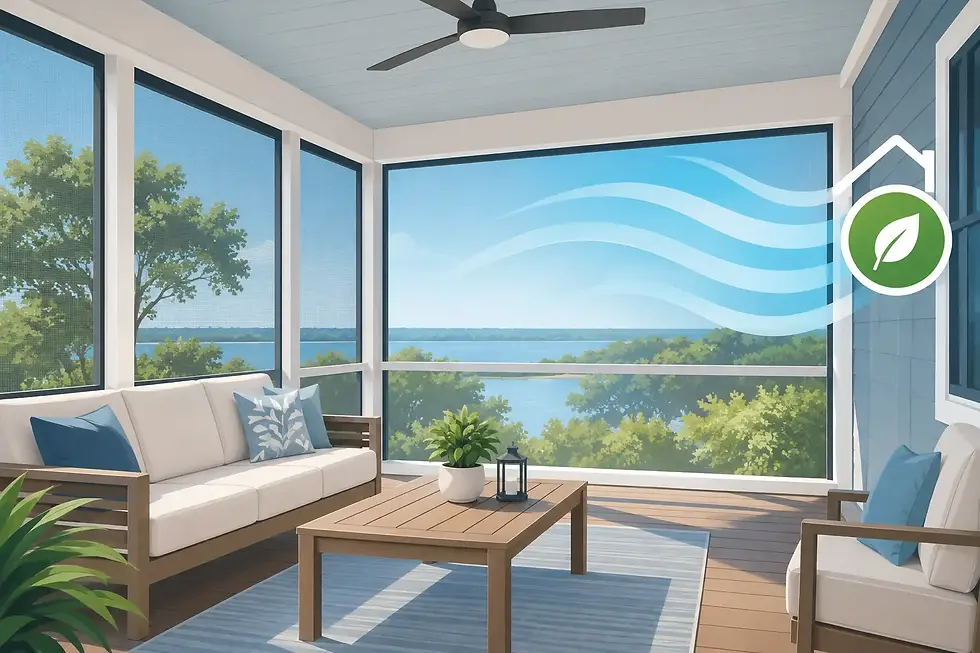
When a west-facing patio is consistently too hot, buggy, or weather-exposed, an enclosure may be more practical than adding layers of temporary shade. A custom screen room creates a protected space for meals, playtime, and entertaining while maintaining natural ventilation. Eze-Breeze panels add another level of flexibility by helping block wind, pollen, and rain while allowing the room to remain open when weather permits.
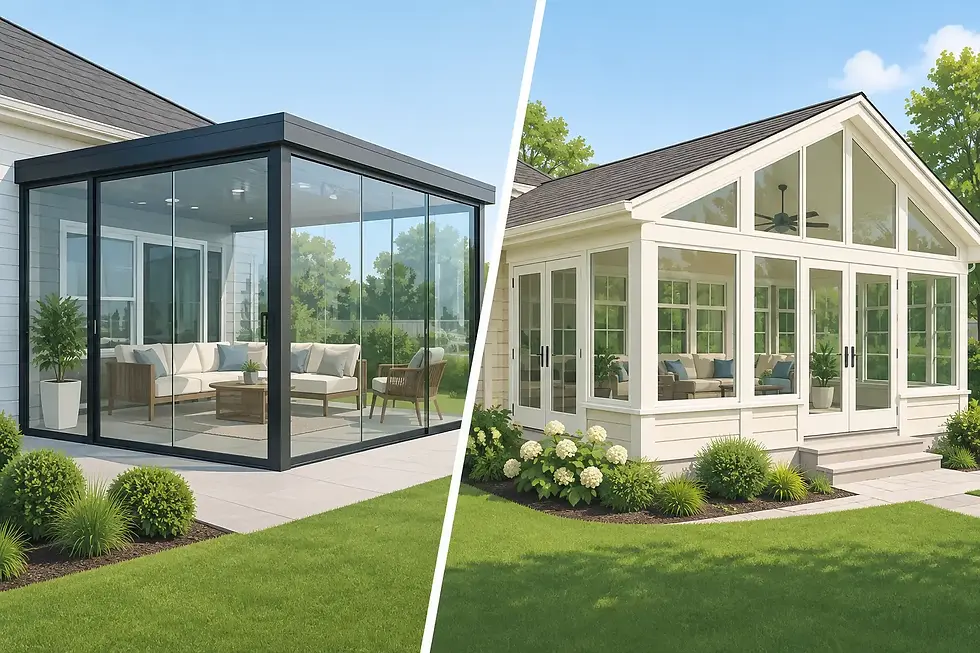
A glass enclosure or sunroom is a more substantial investment, but it can transform an underused patio into conditioned or semi-conditioned living space. Proper glass selection, roof insulation, ventilation, and shading are essential on western exposures. More glass is not always better when afternoon heat is the issue. The design should balance views and daylight with real thermal performance.
Do Not Rely on Landscaping Alone
Trees can be a beautiful part of a shade plan. A deciduous tree positioned to the west or southwest may provide welcome summer filtering while allowing more winter sun after leaves drop. However, it takes years for a young tree to deliver meaningful coverage, and roots, falling leaves, and maintenance need consideration near patios and foundations.
Large planters, trellises, and layered planting beds can reduce reflected heat and make an exposed edge feel more sheltered. They work best as supporting elements around a permanent shade structure, not as the sole answer to a patio that receives several hours of direct western sun.
Design for Comfort Beyond Shade
Shade is the first step, but several details influence whether the patio truly feels comfortable. A ceiling fan under a covered structure helps move humid air across the seating area. Light-colored, heat-resistant paving absorbs less solar energy than dark surfaces. Outdoor furniture with breathable fabric and cushions that can tolerate sun exposure will be more enjoyable and easier to maintain.
Think about where grilling, dining, and conversation areas belong. Moving the dining table deeper beneath the cover and placing a grill where smoke can disperse may solve practical issues before construction begins. Lighting should also be included in the plan so the patio remains inviting after the sun finally drops.
A west-facing patio should not force your family indoors during the best hours of the day. With a custom-built cover, pergola, louver system, screen solution, or enclosure designed for your home's particular exposure, the space can become a comfortable setting for long summer evenings rather than something you avoid until sunset. A careful on-site evaluation gives you the clearest path to a shade solution that looks at home and performs for years.

Comments