
Patio Roofing That Fits Your North Carolina Home

A patio can look inviting from inside the house and still go unused for much of the year. Afternoon heat, sudden summer rain, falling leaves, and direct glare can make even a well-furnished space feel temporary. Patio roofing changes that equation by giving your outdoor area a permanent layer of comfort and protection while preserving the open-air character that makes a patio appealing.
For North Carolina homeowners, the best solution is rarely a one-size-fits-all cover. The right roof needs to complement the home, manage rain reliably, handle local weather, and create the amount of light, shade, and airflow your family actually wants. A carefully designed patio roof can turn a space you visit occasionally into a natural extension of your home.
What Patio Roofing Should Accomplish
A patio roof does more than block sunlight. It should make the space more usable on bright July afternoons, during a passing storm, and through the shoulder seasons when fresh air feels especially welcome. It also needs to look intentional. A roof that appears added as an afterthought can distract from the home’s architecture, while a custom-built structure can make the patio feel like it was always part of the original design.
The strongest designs balance several priorities: shade, water management, structural integrity, daylight, ventilation, and appearance. Those priorities do not always point to the same solution. A solid insulated roof provides dependable shade and rain protection, for example, but it limits overhead daylight. A pergola provides a lighter visual profile and filtered sun, yet it does not offer the same protection from rain. The best choice depends on how you use the space and what sits around it.
A patio used for summer dinners may call for broad, consistent shade. A small morning coffee area may benefit from more open coverage that retains sunlight. If the patio connects to a kitchen or family room, the impact on interior light deserves just as much consideration as the outdoor experience.
Choose a Roof Style Around How You Live
Solid patio covers for dependable protection
A solid roof is often the right fit when homeowners want the patio to function through changing weather. It provides a dry place to grill, relax, or entertain when rain moves through, and it can significantly reduce heat from direct overhead sun. Insulated roof panels can add another level of comfort by helping limit heat transfer from the roof surface.
This style is especially useful for patios facing west or south, where late-day sun can make the area difficult to enjoy. Properly planned ceiling fans, lighting, and finished ceiling details can make the covered patio feel more like an outdoor room than a simple awning.
The trade-off is that a solid cover can darken an adjacent interior room if its size and placement are not considered carefully. An experienced outdoor-living contractor will look at window locations, rooflines, and the home’s orientation before recommending the depth and elevation of the cover.
Pergolas and shade structures for filtered light
A pergola creates definition without fully closing off the sky. Its open rafters bring architectural character to a patio and provide partial relief from the sun. For homeowners who value a bright, airy look, it can be a beautiful choice.
Still, traditional pergolas are not designed to keep a patio dry during steady rain. They work best when the primary goal is visual interest and measured shade rather than full weather protection. Added shade fabric, climbing plants, or adjustable louvers can increase coverage, though each option changes the maintenance needs and the level of rain control.
Motorized louvered roofs for adjustable coverage
A motorized louver system gives homeowners control that fixed structures cannot. The louvers can open to welcome sunlight and airflow, rotate to reduce glare, or close when rain begins. This flexibility is valuable for patios that serve several purposes throughout the day.
Louvered systems are a premium investment, and their performance depends on precise installation, dependable drainage design, and quality components. They are ideal for homeowners who want to fine-tune their outdoor environment, but they are not necessary for every project. A fixed cover may provide better value when all-day shade and simple protection are the priority.
Match the New Roof to the Home
The most successful patio roofing projects respect the home’s proportions and existing style. Roof pitch, fascia details, post placement, trim color, and gutter integration all influence whether the finished structure looks custom-built or merely attached.
A roof that ties into the home may create the most unified appearance, but it requires careful attention to flashing and drainage. Water must move away from the house without creating trouble at the foundation, patio edge, or nearby landscaping. In many cases, a freestanding structure is the better answer, particularly when tying into an existing roof would be too complex or would interfere with windows, roof valleys, or architectural features.
Post locations also deserve more thought than they typically receive. Posts should support the roof safely, of course, but they should not interrupt a main walking path, block a favorite view, or make outdoor furniture difficult to arrange. Meticulous planning at this stage prevents a covered patio from feeling cramped later.
Materials Matter in North Carolina Weather
North Carolina patios face humid summers, heavy downpours, strong sun, pollen, and occasional wind-driven rain. Material selection has a direct effect on both appearance and upkeep.
Aluminum systems are popular because they are durable, low maintenance, and available in clean, finished profiles that suit many homes. Insulated panels can be an excellent choice for solid covers where heat control is a priority. Wood offers warmth and classic character, especially for custom pergolas, but it generally requires more ongoing maintenance to preserve its appearance and protect it from moisture exposure.
The roof finish matters as well. Lighter colors may help reduce heat absorption, while a finish coordinated with the home’s trim can create a polished result. Gutters, downspouts, and flashing should never be treated as secondary details. They are essential components of a patio roof that performs well year after year.
Plan for the Outdoor Room You Want Next
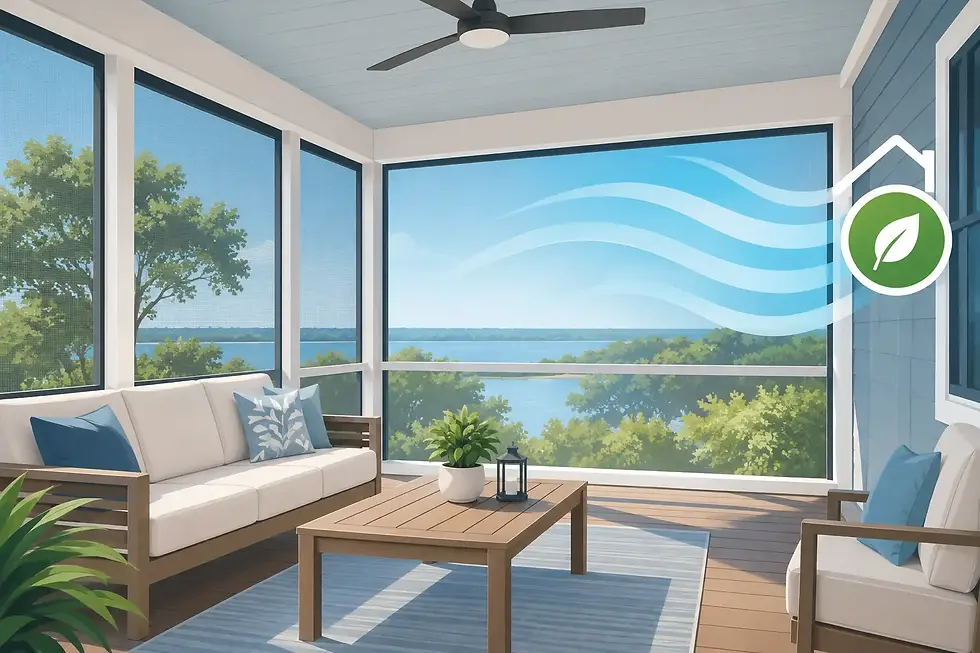
A patio roof creates a foundation for future improvements. Before construction begins, it helps to think beyond the roof itself. Will you want a ceiling fan, recessed lights, speakers, heaters, privacy screens, or motorized shades? Is the long-term goal to add screening, Eze-Breeze panels, or glass enclosure options?
Planning for these possibilities early can simplify electrical work, structural decisions, and the overall layout. It can also help you avoid rebuilding part of the project later. For example, a covered patio designed with future screening in mind may need different post spacing and beam placement than an open cover.
This does not mean every project needs to become a fully enclosed room. Many homeowners are happiest with a simple, beautifully finished roof that protects the patio while keeping it open to the yard. The point is to make sure the first phase supports the way you may want to use the space in the years ahead.
Why Professional Installation Makes the Difference
Patio roofing is a structural home improvement, not a weekend accessory. The connection to the house, the footing depth, the load requirements, roof drainage, and the finish work all affect safety, longevity, and appearance. Local permitting requirements may also apply depending on the project and location.
A specialty contractor brings focused experience to the details that are easiest to overlook. That includes making the new structure feel proportionate to the home, selecting materials suited to the exposure, and building a drainage plan that works in real weather rather than only on paper. The goal is not simply to cover concrete. It is to create an outdoor space with the same sense of permanence and craftsmanship as the rooms inside.
For homeowners considering a custom patio cover, Kelly Outdoor Living approaches each project around the home, the site, and the family’s intended use of the space. A thoughtful design conversation before installation can help you choose the level of coverage that will continue to feel right long after the first season.
The best patio roof is the one that makes stepping outside easier, whether that means a shaded place for a quiet morning, a dry setting for dinner when the forecast changes, or a comfortable gathering space that finally gets used as often as it deserves.


Comments