
Best Shade Structures for Decks That Last

Updated: Nov 3
A deck can be beautifully built and still sit empty through the hottest part of a North Carolina afternoon. Direct sun heats the boards, fades furniture, and makes even a well-planned outdoor space feel less inviting. The best shade structures for decks solve that problem without closing off the light, breeze, and connection to the backyard that made the deck appealing in the first place.
The right choice depends on how you use the space, how much weather protection you want, and how closely the new structure needs to coordinate with your home. A simple fabric shade may work for occasional use, while a permanent roof system can turn a deck into a dependable extension of the house. The goal is not just shade. It is a custom-built outdoor space that feels comfortable, finished, and suited to your daily life.
How to Choose the Best Shade Structures for Decks
Start with the sun path, not just the deck size. A west-facing deck often needs stronger late-day protection than a deck that receives mild morning sun. Notice where glare lands, whether the house already provides partial shade, and how wind and rain move through the area. These details influence everything from roof pitch to post placement.
Next, decide what "shade" needs to accomplish. If your priority is soft filtered light for a seating area, an open-roof pergola may be enough. If you want to eat outside during a passing shower or keep cushions dry, a solid patio cover is usually the better fit. Homeowners who want both sunlight and on-demand coverage may find that a motorized louver system offers the most flexibility.
Architecture matters as well. A shade structure should look intentional from the yard and from inside the home. Rooflines, trim color, column style, railing details, and the scale of the deck all deserve careful attention. A structure that is proportioned correctly and tied into the home with meticulous installation will add more lasting value than an off-the-shelf solution that looks temporary.
Pergolas for Filtered Light and Architectural Character
A pergola is an excellent choice when you want definition and shade without losing the open-air feeling of a deck. Its slatted roof softens direct sunlight while allowing airflow and changing patterns of natural light. It can create a graceful transition between the house and garden, particularly on decks used for casual dining, reading, or evening gatherings.
The trade-off is straightforward: a traditional pergola does not provide full rain protection. It can make a sunny deck more comfortable, but it will not keep the area dry during a storm. Adding a retractable canopy or growing vines can increase shade, though both require consideration for maintenance, wind exposure, and drainage.
For homes with classic, craftsman, or transitional architecture, a custom pergola can become a defining outdoor feature. Material selection makes a difference. Premium low-maintenance materials can retain their appearance with less upkeep than unfinished wood, while properly designed posts and footings provide the stability a permanent structure requires.
Solid Patio Covers for Reliable Weather Protection
A solid patio cover is often the strongest option for homeowners who want to use their deck more often, not just on mild days. It blocks direct overhead sun and protects the space from rain, making it easier to leave outdoor furniture in place and plan a meal without watching the forecast.
Unlike a freestanding umbrella or shade sail, a professionally installed cover can be designed to complement the home’s roofline and manage water correctly. Proper attachment, flashing, roof pitch, and gutter integration are not cosmetic details. They help protect both the new structure and the home from water intrusion over time.
Solid covers do reduce the amount of daylight reaching the deck and adjacent interior rooms. That is why design matters. A carefully sized cover can shade the primary seating zone while leaving an open portion of the deck available for sun. Ceiling finishes, lighting, fans, and integrated gutters can further turn the covered area into a polished outdoor room.
Motorized Louvers for Adjustable Sun and Shade
Motorized louvered roof systems offer a refined middle ground between a pergola and a solid cover. The louvers rotate, allowing you to open the roof for sunlight and ventilation or close it when the sun becomes intense. Many systems can also close tightly enough to direct rainwater into an integrated drainage system.
This level of control is especially useful on decks that serve several purposes. You may want open sky for a quiet morning coffee, filtered shade for lunch, and a closed roof when a summer shower rolls in. With motorized controls, those changes can happen in moments rather than requiring you to move furniture, pull a fabric canopy, or abandon the deck.
A louvered system is a premium investment, and it should be treated as one. The framing, controls, drainage, electrical planning, and attachment points need to be carefully coordinated. When designed to match the home and installed with artisanal care, it provides a clean, modern structure with exceptional flexibility.
Retractable Awnings for Targeted Shade
Retractable awnings are practical for decks that need shade during the hottest hours but benefit from full sun at other times. Extended, they can reduce glare and make a seating area noticeably cooler. Retracted, they preserve open sky and daylight, which can be valuable during cooler months.
They work best when the deck is close to the house and the wall can support proper mounting. Awnings are generally more limited in wind and rain than a fixed cover or louvered roof, so they are not the best answer for homeowners seeking all-weather protection. Still, for a smaller deck with predictable afternoon sun, they can be an efficient and attractive solution.
Fabric selection and frame quality deserve close attention. Color affects heat reduction, light transmission, and how well the awning coordinates with the home. Motorized operation can also make the system more convenient, especially when weather changes quickly.
Shade Sails and Umbrellas for Flexible Coverage
Shade sails and cantilever umbrellas can deliver immediate relief from direct sun with a lighter visual footprint. They are useful for a small conversation area, a grilling zone, or a deck where a permanent structure is not yet the right investment. Their flexibility can be appealing, particularly for homeowners testing how they want to use the space.
However, these options require realistic expectations. Shade sails need correctly engineered anchor points and tension to avoid sagging, while umbrellas can shift in wind and cover only a limited area. Neither offers the long-term weather protection, architectural integration, or finished appearance of a custom deck cover.
They can be appropriate as a temporary solution, but they should not be mistaken for a permanent outdoor-living upgrade. In North Carolina’s sun, storms, and changing seasons, durable materials and secure installation matter.
Consider What Happens at the Edges
The roof itself is only part of a comfortable deck. Morning and late-afternoon sun often enters from the sides, even beneath a generous cover. Privacy screens, side shades, curtains designed for exterior use, or carefully placed landscaping can make the space more usable without making it feel enclosed.
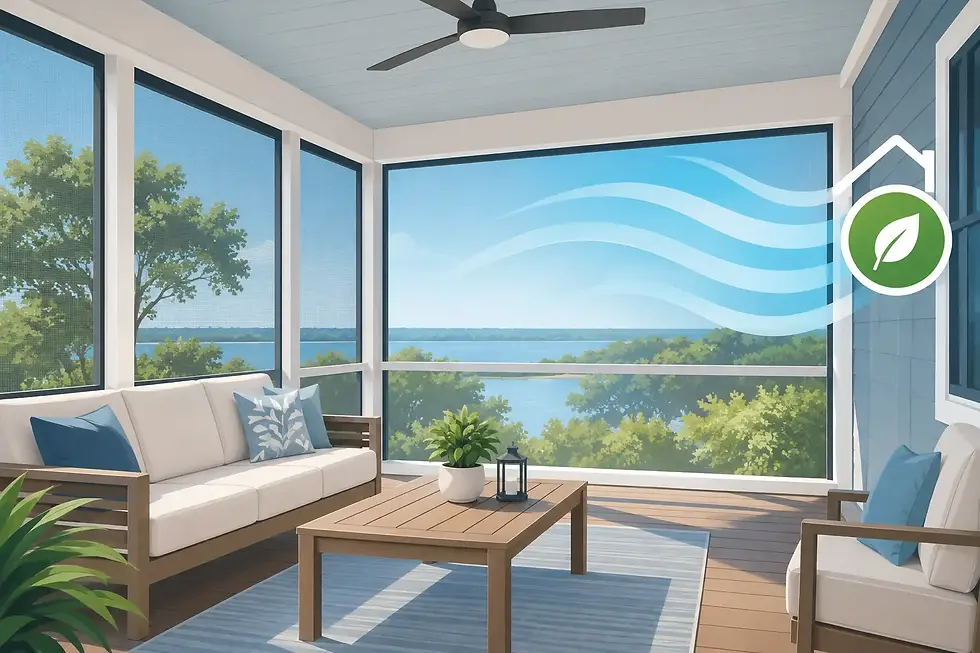
If insects, pollen, or frequent rain keep your family indoors, the next step may be a screen room, Eze-Breeze enclosure, or glass enclosure rather than a shade structure alone. These options provide a stronger barrier while preserving views and natural light. The best solution is the one that matches the number of months you want to enjoy the deck, not simply the one with the lowest initial cost.
Electrical planning is another detail worth addressing early. Fans improve comfort under covered structures, while recessed lighting and low-voltage accents extend the deck’s usefulness after sunset. Planning these elements before construction keeps wiring concealed and the finished design clean.
Build for the Way You Actually Live Outside
A deck shade structure should make outdoor time easier, whether that means hosting family dinners, supervising children in the yard, or sitting outside after work without facing the western sun. The most successful projects balance protection with openness, then use materials and details that look like they belong with the home.
For homeowners in Cumberland, Wake, Johnston, Franklin, Nash, and Wilson counties, local weather and local construction knowledge are part of that equation. Kelly Outdoor Living approaches each project as a custom outdoor-living improvement, with the design, materials, and installation details chosen for the home rather than pulled from a standard package. Also deliver to Pennsylvania, Maryland, Connecticut, New Jersey, New York, and throughout North East.
Before selecting a structure, spend a few afternoons on the deck and note where comfort breaks down. That simple observation will point you toward shade that does more than cover the space - it will help the space earn its place in everyday life.


Comments