Louvered Roof Review: Is It Worth the Cost?

A patio can be perfectly sized, beautifully furnished, and still sit empty for much of the year. In North Carolina, direct summer sun, sudden rain, pollen, and humid afternoons can make a fixed outdoor area feel far less useful than it should. This louvered roof review looks at whether an adjustable patio cover is a worthwhile answer - and where its limits deserve honest consideration.
A motorized louvered roof is not simply a pergola with a more polished appearance. Its rotating aluminum louvers give homeowners control over shade, sunlight, airflow, and rain protection from one custom-built structure. For households that want their patio to function more like an outdoor room, that flexibility is the central appeal.
What a Louvered Roof Actually Does
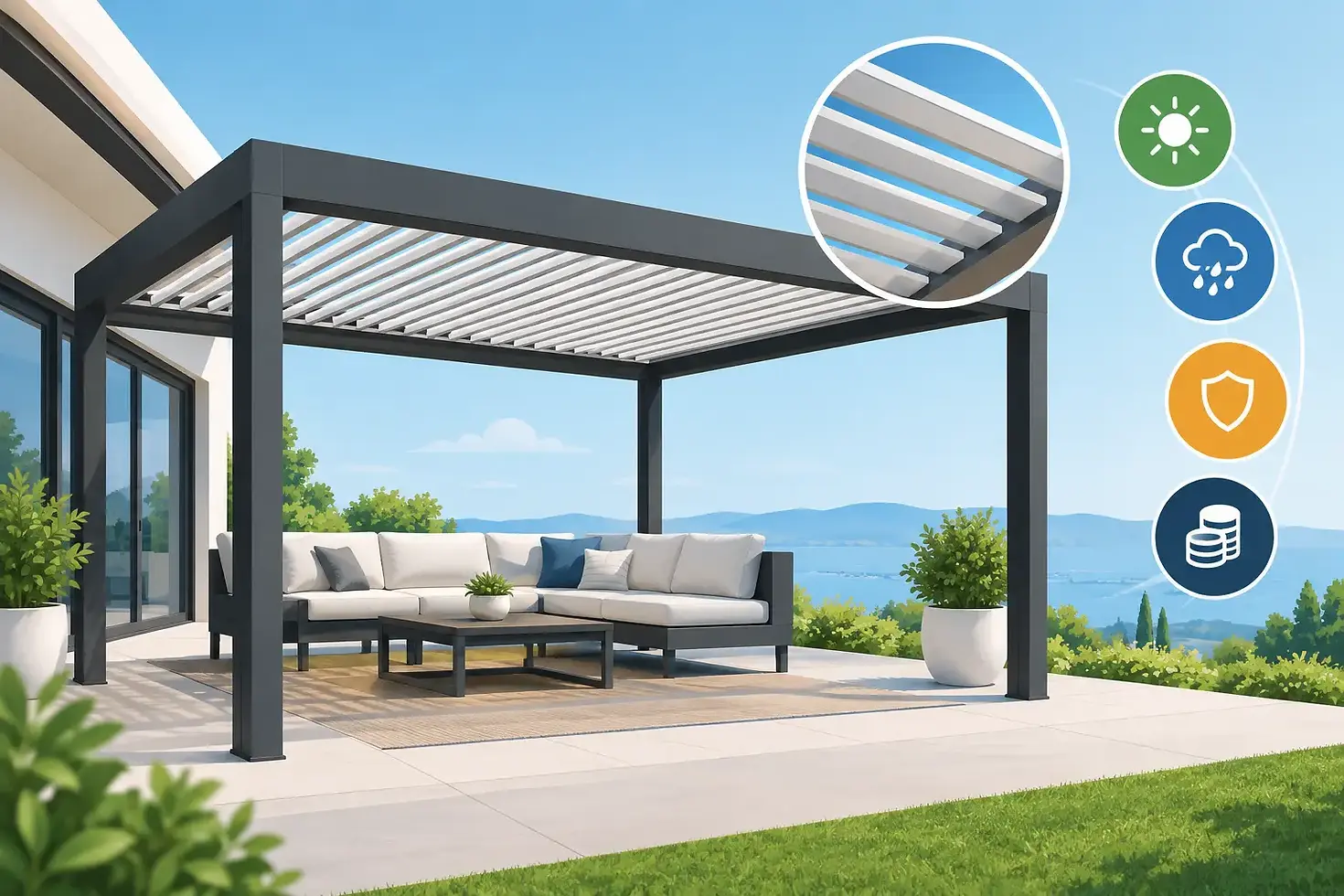
A louvered roof system uses interlocking horizontal blades, typically made from powder-coated aluminum, that rotate at the touch of a remote control, wall switch, or smart-home control. When the louvers are open, heat rises through the roofline and a welcome breeze can move through the space. When they are angled, they filter direct sunlight while preserving daylight. When closed, the louvers create a solid overhead surface designed to direct water into integrated gutters and downspouts.
That range matters because outdoor conditions rarely stay the same for an entire afternoon. A fixed patio cover provides dependable shade and rain cover, but it cannot open for a clear evening sky. A traditional open pergola offers attractive architectural detail and some filtered shade, but it cannot close when a summer shower moves in. A louvered roof occupies the space between those two options, offering a higher level of control.
For homeowners in Wake, Johnston, Franklin, Nash, and Wilson counties, the value is often less about adding another exterior feature and more about getting consistent use from an existing patio, pool deck, or porch. A covered dining area can stay comfortable longer. A family gathering does not have to end at the first sign of rain. Morning sun can be welcomed, then reduced as the day warms.
Louvered Roof Review: The Benefits That Stand Out
The strongest benefit is adaptable comfort. Instead of accepting whatever the weather brings, homeowners can make small adjustments throughout the day. Open louvers can release trapped heat. Partially closed louvers can reduce glare on an outdoor television or dining table. Fully closed louvers can provide shelter during ordinary rainfall.
Shade without giving up daylight
Many homeowners hesitate to cover a patio because they do not want the adjacent interior room to become dark. This is a fair concern, especially on patios near kitchens, family rooms, and sun-facing windows. With adjustable louvers, the roof can be positioned to reduce harsh overhead light while still allowing softer natural light into the home.
The result is usually more refined than relying on a large umbrella or fabric shade sail. Those products can provide relief, but they do not offer the same architectural permanence, drainage control, or tailored fit. A custom louvered roof can be designed to complement the roofline, exterior finishes, and proportions of the home rather than looking added on as an afterthought.
Useful protection from rain
When closed properly, premium louver systems are engineered to channel rainwater through their frame and integrated gutter system. This can make an outdoor sitting area far more dependable during passing storms.
There is an important distinction here: water management depends on precise installation, proper slope, correctly placed downspouts, and a system sized appropriately for the site. A louvered roof should not be treated as a casual kit project. Meticulous attention to detail is what helps the structure perform as intended when the weather changes quickly.
A cleaner, more permanent outdoor-living upgrade
Aluminum louver systems are built for exterior conditions and generally require less routine upkeep than wood structures. They do not need staining, and they avoid many of the concerns associated with warping, peeling, or insect damage in a wood pergola.
The visual impact can be significant as well. A well-designed roof creates a clear destination outdoors - a place for dining, conversation, grilling, or quiet morning coffee. For homeowners considering a future sale, a thoughtfully finished patio cover may also strengthen the impression that the home has usable, intentional outdoor living space.
The Trade-Offs to Consider Before You Buy
A balanced louvered roof review should not suggest that this solution is right for every patio. These systems are premium structures, and their price reflects their materials, engineering, integrated drainage, motorization, and custom installation. A simple fixed cover may be the better fit for a homeowner whose main goal is permanent rain protection at a lower investment.
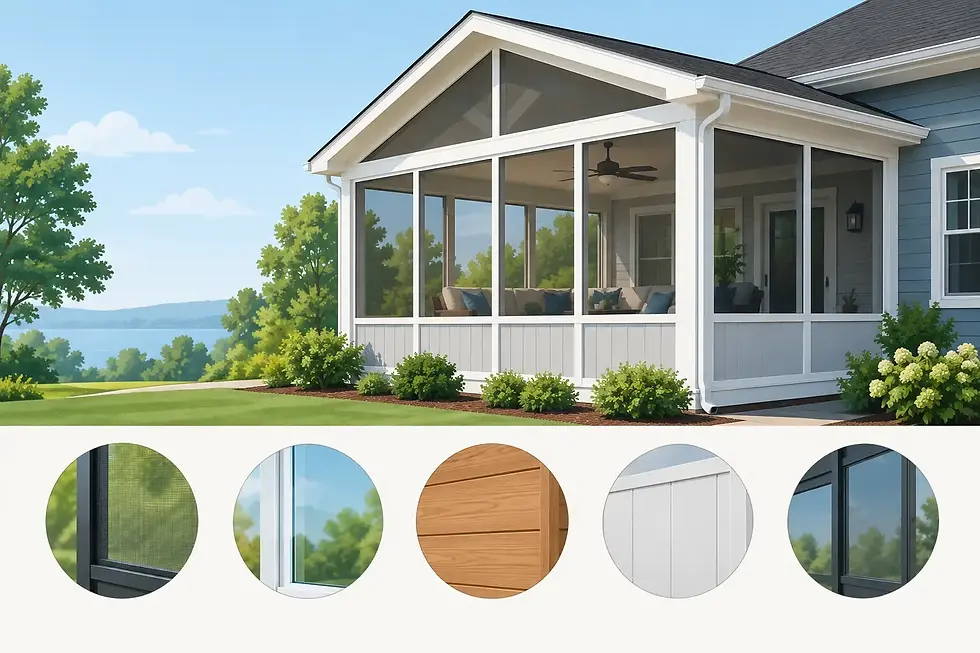
Louvered roofs also provide overhead protection, not enclosure. On a chilly January evening or a windy, pollen-heavy spring day, open sides still allow outdoor conditions into the space. Homeowners looking for year-round climate control, insect protection, or a fully conditioned addition may be better served by a screen room, Eze-Breeze enclosure, glass enclosure, or sunroom.
Rain protection has practical limits, too. Most quality systems handle normal rainfall very well when closed, but wind-driven rain can still reach an open-sided patio. The placement of the structure, the direction of prevailing weather, and nearby roof runoff all need consideration during design.
Finally, the system relies on moving components. Quality motors, louvers, gutters, and controls are designed for frequent use, but they should be installed by specialists and maintained according to the manufacturer’s guidance. This is not a reason to avoid a louvered roof. It is simply a reason to choose proven materials and experienced workmanship over the lowest initial price.
What Determines the Cost?
There is no meaningful one-price answer because louvered roofs are custom-built around the home and site. Cost is influenced by the overall footprint, attachment method, post locations, finishes, drainage routing, electrical access, motorized controls, and structural requirements. Freestanding installations may involve different considerations than systems attached to an existing home.
Optional features can also affect the final investment. Integrated lighting can make the patio more inviting after sunset. Fans can improve comfort in warm weather. Side shades, privacy screens, and heaters can extend the season, though each should be selected based on how the family actually plans to use the space.
A good quote should account for more than the visible frame and louvers. It should address site conditions, drainage, structural support, permitting where required, finish details, and how the new roof will relate to doors, windows, rooflines, and existing hardscape. That is where a custom contractor’s specialized expertise matters.
Questions to Ask During a Louvered Roof Consultation
Before selecting a system, ask how the roof manages water and where downspouts will discharge. Ask what material is used for the louvers and frame, how the finish performs in sun and humidity, and what warranty applies to the structure and motorized components.
It is also wise to discuss the layout in real terms. Where will the grill sit? Will the louvers cast the right shade over the dining table during late afternoon? Does the roof need to accommodate a ceiling fan, lighting, or a television? Can the post placement preserve traffic flow and views into the yard?
A thoughtful design conversation should include the home itself. The best installations feel custom-built to match your home’s unique style, not placed on it as a separate object. Details such as color, trim, beam depth, roof height, and connection points can make a major difference in the finished appearance.
Is a Louvered Roof Worth It for Your Patio?
A louvered roof is often worth the investment when flexibility is the priority. It is particularly well suited to homeowners who already enjoy their patio but use it inconsistently because of heat, glare, or unpredictable rain. It can turn an exposed slab into a more comfortable, attractive setting for everyday living and entertaining.
It may be less compelling for a patio that only needs basic shade, for a space that requires full insect screening, or for homeowners who want an insulated, enclosed room. The right answer depends on the experience you want outside, not just the structure you want overhead.
For a patio that deserves more than occasional use, a carefully designed louvered roof can offer the rare combination of open-sky enjoyment and practical weather protection - with the craftsmanship to make it feel like it has always belonged to your home.


Comments