
How to Improve Porch Privacy Without Closing It In

A porch should feel like an extension of your home, not a front-row seat to the street, a neighbor’s patio, or passing traffic. Knowing how to improve porch privacy starts with identifying exactly where the exposure comes from: low sightlines from the sidewalk, second-story views from nearby homes, strong afternoon sun, or an open side that leaves your seating area feeling unprotected.
The right solution does more than block a view. It should preserve the daylight, breeze, and architectural character that made you want a porch in the first place. For North Carolina homeowners, it also needs to hold up through humid summers, wind-driven rain, pollen season, and changing temperatures.
Start With the Direction of the View
Before choosing screens, curtains, or plants, spend time on the porch at the hours you use it most. Sit where you normally relax or entertain and look outward. A privacy concern that seems broad from inside the house may actually come from one narrow angle across a side yard or from a neighbor’s elevated window.
This step helps prevent overbuilding. If only one porch opening is exposed, a partial privacy panel or a carefully placed shade may be more attractive and cost-effective than enclosing every side. On the other hand, if your porch faces a busy road or sits close to neighboring homes, a more complete system can make the space useful far more often.
Also consider what you want to keep visible. Many homeowners want privacy from the side but still want an open view toward the backyard, garden, or pool. A custom design can protect the areas that feel exposed without making the porch dark or boxed in.
How to Improve Porch Privacy With Screens and Panels
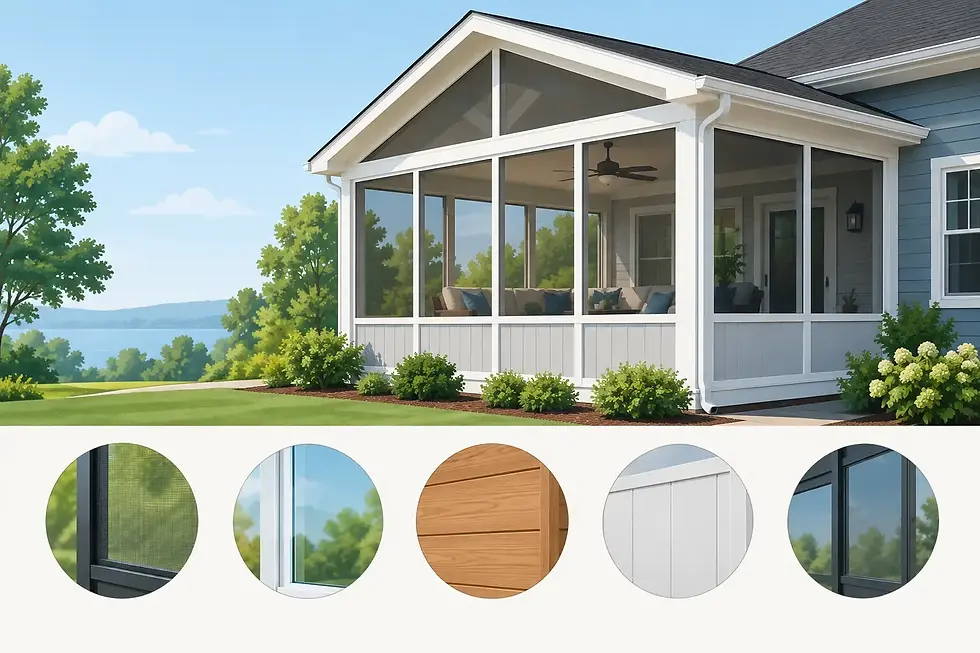
Fixed or retractable screening is one of the most effective ways to create a comfortable boundary while maintaining airflow. Traditional screen panels add insect protection and soften views into the porch, particularly when paired with a darker screen fabric. They work especially well when the concern is visibility from a distance rather than complete visual separation.
For more control, consider a screen room or an enclosure system with flexible panels. Eze-Breeze enclosures, for example, can help reduce wind, rain, pollen, and insects while allowing the porch to remain connected to the outdoors. Depending on the panel configuration, they can offer more privacy than standard mesh alone and extend the seasons when you can use the space.
Privacy screens made from wood, composite material, aluminum, or decorative metal are another strong option for one exposed side of a porch. A horizontal slat design can feel clean and contemporary, while lattice or patterned panels can better suit a traditional home. The spacing matters: wider gaps preserve more light and air, while tighter spacing provides stronger visual coverage.
Permanent panels deserve careful placement. A solid wall may solve a privacy problem, but it can also block cross-breezes and make a narrow porch feel smaller. Often, a panel that covers the lower two-thirds of the opening, or only the portion nearest a seating area, provides a more balanced result.
Use Adjustable Shade for Changing Conditions
Privacy and shade often go together. The same low afternoon sun that makes a porch hot can also expose it to views from the street or an adjacent property. Adjustable shade systems allow you to respond to both conditions rather than committing to a single fixed level of coverage.
Outdoor roller shades are especially useful on porches with large open spans. When lowered, they can create a visual barrier, filter glare, and reduce heat. When raised, they restore the open-air feel of the porch. Material selection is important here. A more open weave maintains an outward view and admits daylight, while a tighter solar fabric offers greater privacy and sun control.
Motorized screens and louvered shade systems provide another level of convenience for larger or more refined outdoor-living projects. With the touch of a button, homeowners can adjust coverage as the sun moves or when guests arrive. These systems are best planned as part of a porch cover, pergola, or enclosure design so the supporting structure, drainage, electrical work, and finishes all work together.
Outdoor curtains can be a softer, lower-commitment alternative. They add warmth and can frame a porch beautifully, but they need durable outdoor fabric, secure tiebacks, and hardware designed for wind. On an exposed porch, curtains may require more maintenance than a purpose-built shade or screen system.
Add Landscaping Where It Can Do the Most Work
Landscaping can create privacy without making a porch feel enclosed. Evergreen shrubs, ornamental grasses, small trees, and climbing plants can all help screen a view while adding texture and seasonal interest. This approach is often most successful when the viewing distance is several feet or more. A planting bed between the porch and property line gives greenery enough room to mature into a useful visual buffer.
For a porch near a sidewalk or driveway, layered planting usually looks more natural than a single straight row of shrubs. Low plantings in front, mid-height shrubs behind them, and a taller feature plant or small tree at the key sightline can soften the edge of the property while keeping the home welcoming.
Plants are not an instant solution, however. They need time, water, pruning, and enough room for healthy root growth. In a compact side yard, a custom privacy screen may achieve the result immediately, with planting added as a complementary finish. Avoid placing vigorous vines directly against screens, trim, or roof structures unless the system was designed to support them.
Build Privacy Into the Porch Structure
When a porch is underused because it is too exposed, structural improvements can offer the best long-term value. A covered porch, pergola with integrated shade, screen room, or glass enclosure creates an opportunity to address privacy, weather protection, ventilation, and appearance at the same time.
A pergola can define the porch or patio overhead while supporting integrated shade elements along the side that needs coverage. It is a good fit when you want a sense of enclosure without a fully roofed addition. For stronger protection from sun and rain, a patio cover can incorporate finished ceiling materials, lighting, fans, and screening that make the area feel intentional rather than temporary.
A screen room is often the practical choice for homeowners who want to enjoy fresh air with protection from insects and casual visibility. A more substantial enclosure can be tailored for those who want greater control over wind, rain, and seasonal comfort. The right choice depends on how often you use the porch, how exposed the site is, and whether you want the space to function through much of the year.
Custom-built work matters because existing porches rarely have identical dimensions, rooflines, drainage conditions, or sightlines. A privacy solution should match your home’s trim, scale, and style rather than appearing added on. Meticulous installation also helps ensure that screen tracks, posts, fasteners, and flashing perform properly over time.
Do Not Overlook Lighting and Interior Layout
Privacy is not only about what people can see from outside. At night, bright interior porch lighting can turn screened openings into a display window. Use layered lighting instead of one harsh overhead fixture. Warm sconces, dimmable ceiling lights, and focused task lighting around a dining or seating area create a more comfortable evening setting without broadcasting every detail outdoors.
Furniture placement helps, too. Position chairs so they face a protected view rather than the street. A console table, planter, or low bench can define the back of a seating area and make the porch feel more sheltered. For an open porch, even a tall planter placed at the right corner can interrupt a direct line of sight without changing the structure.
Choose a Solution That Fits Your Home and Routine
The best porch privacy upgrade is rarely the one that blocks the most. It is the one that gives you enough separation to relax while keeping the qualities you value: natural light, airflow, a garden view, or easy access to the yard. A family that uses the porch for evening dinners may prioritize adjustable screens and lighting, while an empty nester may prefer a polished enclosure that makes the space comfortable from early spring into late fall.
If the porch is a long-term part of how you want to live at home, professional design and installation can prevent the compromises that come with temporary fixes. Kelly Outdoor Living can evaluate the porch, its sightlines, and the way you use the space to develop a custom-built solution that feels connected to your home. The goal is simple: a porch that still feels open to the outdoors, but finally feels like it belongs to you.


Comments